Read our 2025 report for data and insights on the state of Australia's clean energy industry in 2024.
Share this report
28 May 2025
Clean energy investment soared in 2024, led by a significant uptick in new financial commitments to large-scale generation and another strong year for big batteries. Meanwhile, rooftop solar continued to lead the transition in terms of capacity added.
It is critical that industry, governments, communities and other stakeholders work together to maintain the momentum that has been built in recent years and double down on Australia’s extraordinary clean energy potential.
That includes $9 billion for new large-scale generation projects - the highest single year ever, and the highest since the boom of 2018. That includes $5.8 billion of new investment commitments for wind projects - the highest yearly figure since the Clean Energy Council began reporting data in 2017.
With 3.2 GW of new capacity added, rooftop solar led the energy transition in 2024 - almost reaching the rooftop solar record of 2021.
It was fifth year running that more than 300,000 rooftop solar installations took place, and rooftop solar now generates over 12% of Australia's electricity.
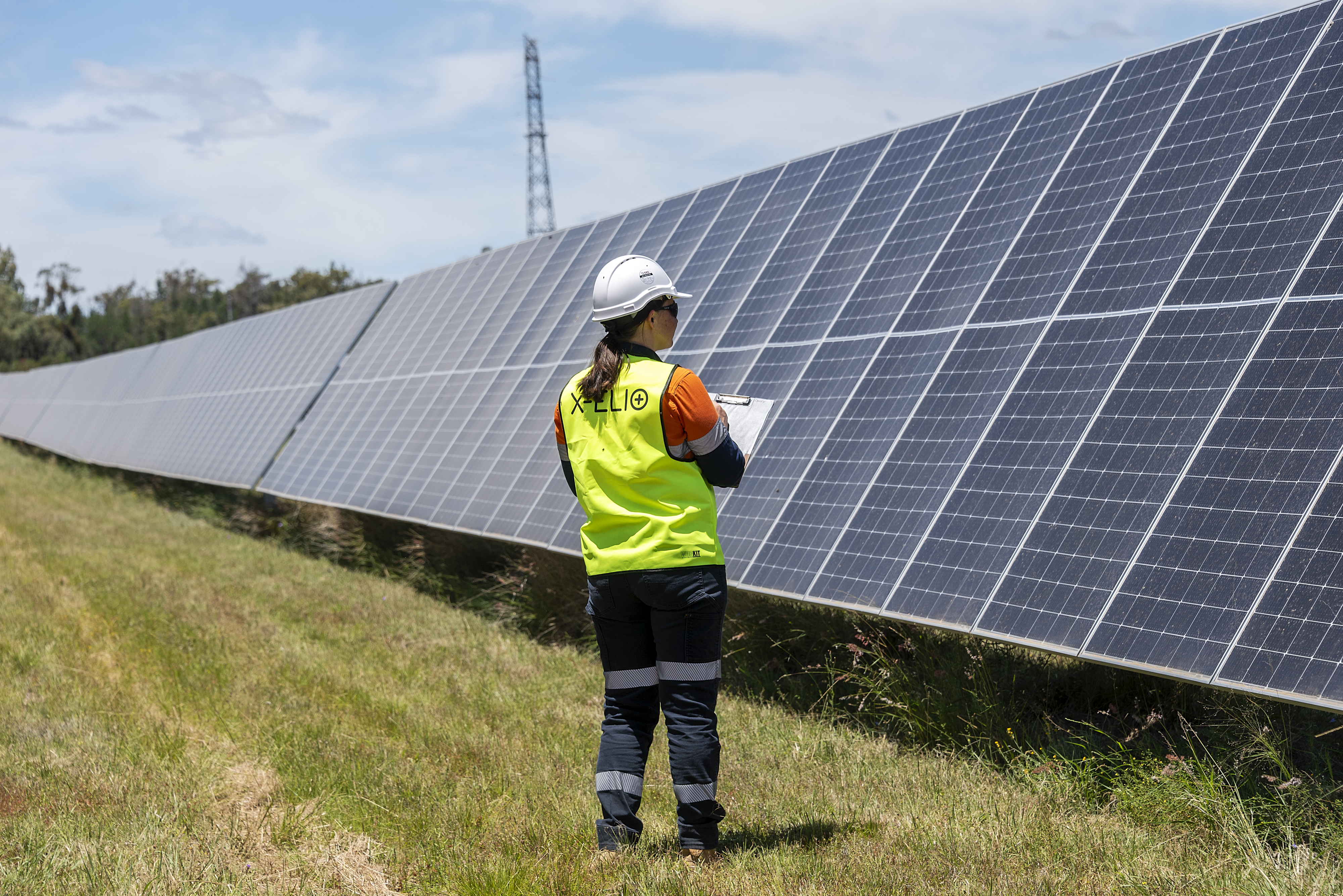
1.3 GW of large-scale solar and 836 MW of onshore wind was added to the grid in 2024.
Many of the headwinds for large-scale energy projects remain from recent years, including slow planning and environmental assessment processes in some jurisdictions, higher costs and tighter markets for equipment and labour.
Australia's clean energy pipeline notches a big century in 2026
Today’s announcement that the Federal Government has approved over 150 clean energy projects since 2022 shows that Australia’s clean energy industry is an economic powerhouse.
Reckless Coalition energy plan would take Australia backward
When clean energy projects are pouring billions of dollars into Australia and creating thousands of jobs, turning our back on this investment is reckless and short-sighted. It hurts our economy, it risks our future and, above all, it will make everyday Australians more vulnerable to global shocks and price volatility.
New industry risk index maps road to faster clean energy project delivery
Based on an extensive survey of industry insiders, the Renewable Energy Risk and Insurance Index, shows the increased scale and maturity of Australia's clean energy industry, with more organisations operating across different technologies and jurisdictions and delivering more complex projects.
Australia’s clean energy transition presents an enormous opportunity. Realising it requires a clear view of the risks involved in ambition and delivery.
The Clean Energy Council (CEC) has warned the Victorian Labor Government’s decision to abandon the Central North Renewable Energy Zone (REZ) creates further uncertainty over how the state will replace its ageing coal-fired power stations.
Clean Energy Council appoints new Board Directors to strengthen representation
The Clean Energy Council is pleased to share the appointment of two new Directors to the Board: Will Hall, Managing Director of Sigenergy Australia & New Zealand, and Brent Finlay, Managing Director of Finlay Agricultural Industries.